


Choosing the best technology in today's fast-paced society involves more than simply hardware; it also involves the...
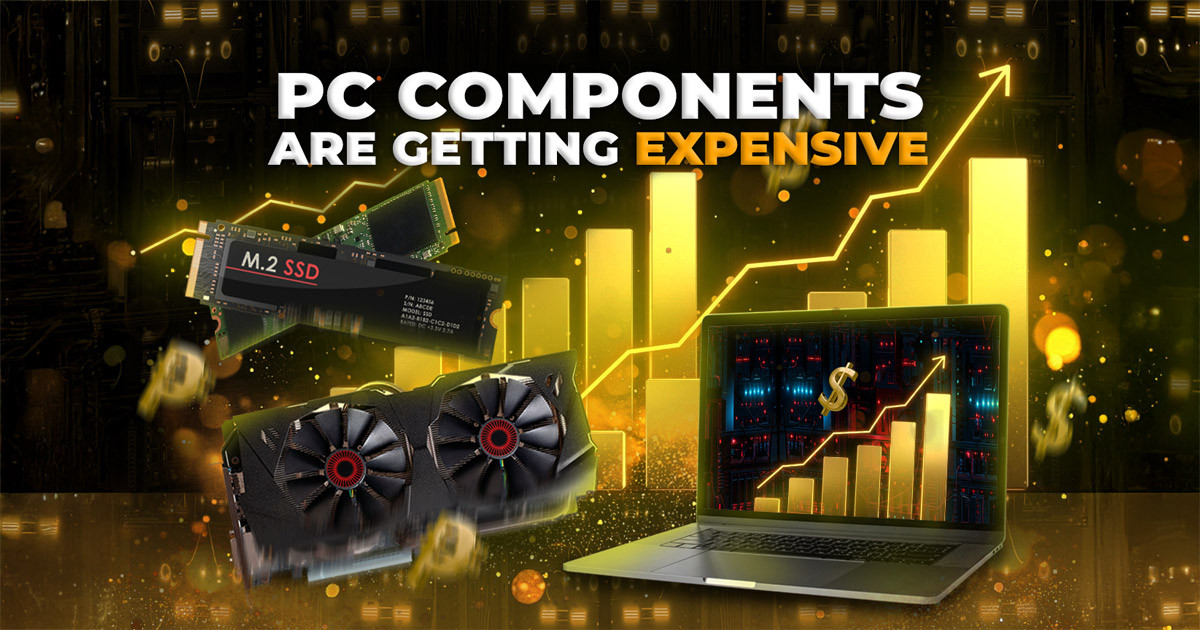
Computer Components Price Hike: Why PCs Are Getting More Expensive in 2026
For decades, consumers have grown accustomed to a simple truth in computing: every year brings better performance at the same or lower price. Faster processors, larger storage, and more memory steadily became more affordable, reinforcing the belief that waiting almost always paid off.
Heading into 2026, that assumption is breaking down.
A growing body of market analysis points to a sustained rise in the cost of PCs, laptops, and the core components that power them. At the center of this shift are memory and storage once the most predictable parts of the pricing equation, now the most volatile.
This is not a temporary disruption or a brief supply shock. Instead, multiple long-term forces are converging at once: AI infrastructure is consuming a disproportionate share of global memory production, manufacturers are prioritizing higher-margin enterprise components, and a major PC refresh cycle has been triggered by the end of Windows 10 support. Together, these forces are reshaping the economics of consumer computing.
A Memory Shortage That Doesn’t Follow Old Cycles
Historically, memory markets moved in familiar boom-and-bust cycles. Prices would rise, manufacturers would expand capacity, supply would catch up, and prices would fall again. The current situation looks fundamentally different.
Rather than a short-lived imbalance, today’s memory crunch is driven by a strategic reallocation of manufacturing capacity. Demand from AI-focused data centers is drawing producers toward higher-margin products such as high-bandwidth memory and large DDR5 modules designed for advanced computing workloads.
Instead of expanding output for mainstream consumer DRAM and NAND, suppliers are redirecting resources toward enterprise and data-center customers. That decision reduces the availability of general-purpose memory for everyday PCs and laptops, placing sustained upward pressure on prices.
Compounding the issue, overall DRAM and NAND supply growth in 2026 is expected to lag behind historical norms. In a market long accustomed to abundant supply, even modest slowdowns can have outsized effects on cost and availability.
How AI Is Reshaping the Supply Chain
AI infrastructure doesn’t just require more memory it requires dramatically more memory per system. Servers built for training and inference workloads can consume vast amounts of DRAM, often paired with specialized memory stacks to keep advanced processors fully utilized.
This demand is largely driven by hyperscale operators and large enterprises capable of securing long-term supply agreements and absorbing premium pricing. The result is a zero-sum dynamic: every wafer allocated to AI-focused memory production is one less wafer available for consumer devices.
For PC buyers, the implication is clear. Even though the semiconductor industry has stabilized since the peak of pandemic-era disruptions, memory and storage have emerged as the new bottlenecks. AI-driven demand is redirecting supply toward higher-margin uses, leaving consumer computing to absorb the impact through tighter availability and higher prices.
Why PCs and Laptops Are Especially Exposed in 2026
While smartphones will also feel the effects of rising component costs, PCs and laptops face a sharper impact due to timing.
The first pressure point is the end of Windows 10 support in October 2025. Many organizations entered 2026 under pressure to migrate to Windows 11 compatible hardware, and stricter system requirements mean a large portion of older machines must be replaced rather than upgraded.
The second factor is the industry-wide push toward “AI PCs.” These systems integrate dedicated neural processing capabilities and are commonly marketed with higher baseline memory configurations. Sixteen gigabytes of RAM is increasingly treated as the entry point, pushing hardware costs higher at a time when memory is already scarce.
Together, these forces are pulling the market in opposite directions: buyers are being urged to replace aging systems while also being encouraged to purchase machines with more memory, precisely when adding RAM has become more expensive.
How Much Could Prices Rise?
Market indicators suggest average PC selling prices will increase in 2026, with the magnitude depending largely on how severe memory shortages become. In moderate scenarios, prices could rise by the mid-single digits. Under tighter conditions, increases approaching the high single digits are plausible, particularly in the second half of the year when supplier contracts are renegotiated.
These figures represent averages. In practice, price increases often feel more aggressive because consumers buy specific configurations, not statistical medians. Systems with larger memory or higher-capacity storage are especially exposed to component inflation, pushing real-world costs beyond headline estimates.
One notable signal of tightening supply is the growing availability of prebuilt systems sold without installed memory. This shifts the burden of sourcing RAM directly onto buyers, an implicit acknowledgment of constrained supply and elevated costs.
Fewer Shipments, Higher Prices
Rising prices tend to lengthen replacement cycles. As costs climb, both consumers and organizations delay upgrades, leading to lower overall shipment volumes.
Industry projections for 2026 include scenarios ranging from modest contraction to more severe declines if memory shortages deepen. In pessimistic cases, shipment volumes could fall by the high single digits, creating a classic squeeze: higher input costs for manufacturers, lower unit sales, and reduced affordability for buyers.
Winners, Losers, and Uneven Impact
Not all manufacturers will be affected equally. Large PC brands are generally better positioned to absorb rising component costs due to scale, financial flexibility, and long-standing supply relationships.
Smaller brands, white-box builders, and DIY-focused sellers are more exposed. These players rely heavily on spot pricing and flexible sourcing both of which become scarce when memory supply tightens. As a result, prebuilt systems from major manufacturers may become more attractive, even to buyers who typically prefer building their own machines.
Spec Inflation in the AI PC Era
Even without a shortage, baseline specifications have been creeping upward. Eight gigabytes of RAM is rapidly becoming inadequate for mainstream machines, while sixteen gigabytes is now considered standard. Performance-focused buyers increasingly view thirty-two gigabytes as the new comfort zone.
During a memory crunch, this “spec inflation” becomes a multiplier. As AI features move onto consumer devices, memory capacity becomes essential just as adding memory becomes more expensive.
Manufacturers face difficult trade-offs: raise prices, accept lower margins, or hold the line on baseline specs while charging steep premiums for upgrades. In many cases, higher-memory configurations may be reserved for premium models to protect profitability.
How Buyers and Businesses Can Respond
Timing matters more in 2026 than it has in years. Purchasing earlier before additional price adjustments take effect can help reduce exposure to later cost increases, especially while pre-price-hike inventory still exists.
Configuration choices also become critical. Under normal conditions, paying extra for more RAM or storage can extend a system’s lifespan. In a constrained market, those upgrades may carry disproportionate premiums. Where possible, buyers may find better value in balanced configurations with the option to upgrade later.
For businesses, procurement strategy is now a cost-control tool. With Windows 10 support ended, organizations that delayed upgrades face tighter supply and higher prices. Standardizing configurations, securing contracts earlier, and aligning refresh schedules more carefully can help reduce competition for limited components.
Is This the New Normal?
This situation is unlikely to resolve quickly. The current memory shortage is tied to sustained AI-driven demand and long-term production strategies, not a short-term imbalance that can be corrected in a few quarters.
Prices will not rise indefinitely, but constrained supply conditions may persist well beyond 2026. When AI-focused memory products generate higher returns and enterprise buyers secure long-term supply, consumer markets tend to absorb the volatility.
The Bottom Line
The computer components price hike of 2026 is not about isolated price increases it reflects a broader structural shift. Memory scarcity, AI infrastructure demand, and a poorly timed PC refresh cycle are converging to push costs higher across the market.
Consumers should expect more expensive RAM and SSDs to translate into higher PC and laptop prices, with average increases potentially reaching the high single digits depending on supply conditions.
If the last decade rewarded patience, 2026 may reward decisiveness instead. Buy intentionally, time purchases carefully, and recognize that memory not processors or graphics has become the new price-setting component in mainstream computing.
Posted in:
Industry News and Trends
Related posts

Technology and its impact on the future of architecture
Let us look at how technology affects today's architecture, how it influences...
Read more
RX, GT, GTX, and RTX: Everything You Need to Know about Graphics Cards
Graphics cards are an essential component of any modern computer system,...
Read more

Discover Smart Communications' New E-SIM
In the rapidly evolving world of mobile technology, a game-changing...
Read more

Intel Core Ultra: Unlocking the Power of AI and Performance
The world of computing has witnessed a remarkable evolution, and Intel, a...
Read more

The Samsung Galaxy A06: Exceptional Value and Care+ Launch Benefits
The smartphone market is ever-evolving, with manufacturers continually...
Read more
Latest posts

Canon 2026 Delightful Rewards Promo
Read more
ASUS ROG Strix G16 Review: Ryzen 9 & RTX 5050 Power
Read more
The ASUS ROG Strix G16 G614PH-RV067WSM represents a fascinating shift in the gaming laptop landscape of 2025. For...
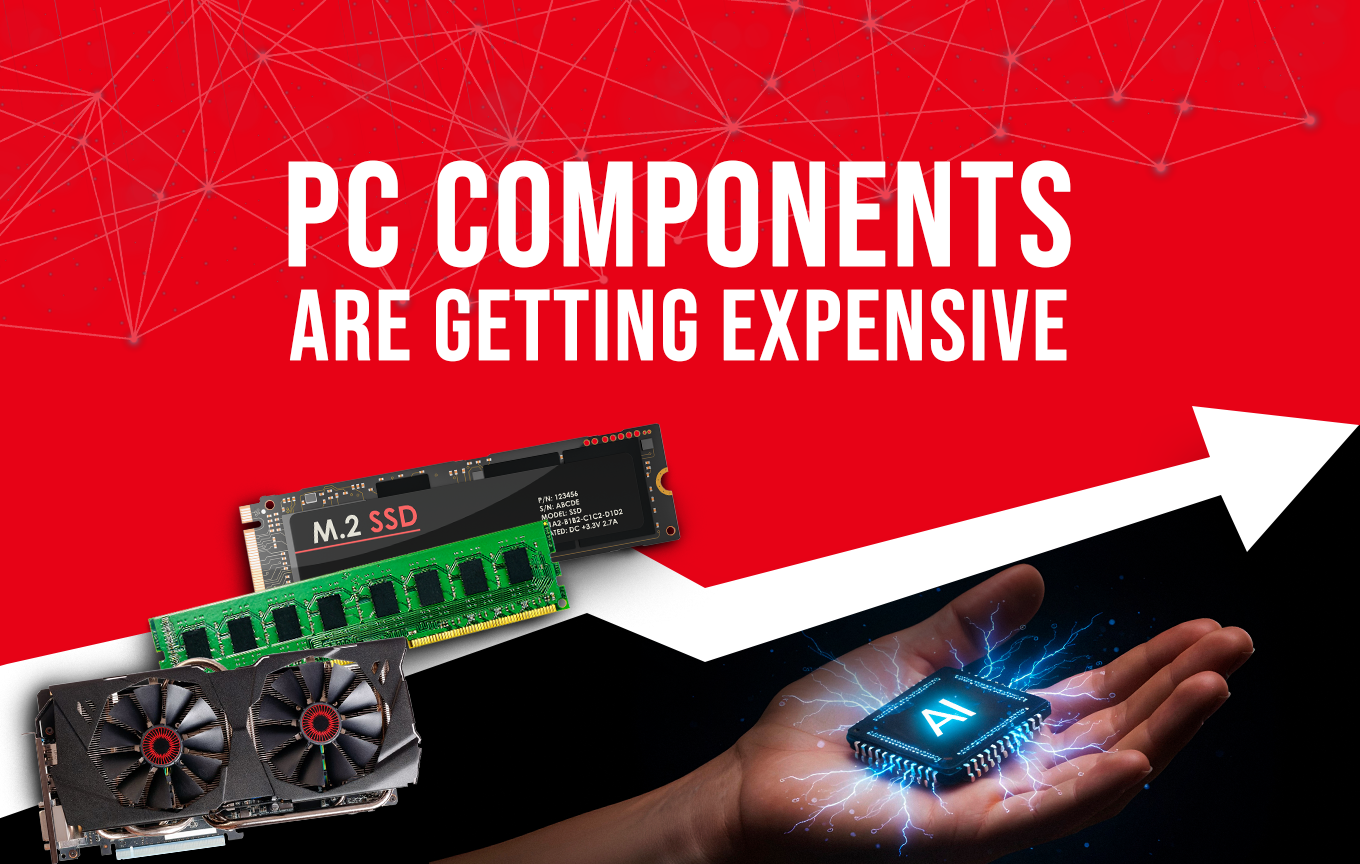
Computer Components Price Hike: Why PCs Are Getting More Expensive in 2026
Read more
For decades, consumers have grown accustomed to a simple truth in computing: every year brings better performance at...

OPPO A5 Pro 4G vs A5 Pro 5G: The Ultimate Durability Champion
Read more
The OPPO A5 Pro Series is designed for users who demand durability, high performance, and long-lasting reliability...

Leave a comment